Kibble vs. Fresh Food: Is the Price Tag Actually Worth It?
For the last 50 years, feeding a dog was simple: buy a big 40lb bag of dry brown pellets, pour it in a bowl, and forget about it.
But recently, the pet food aisle has changed. Refrigerators are appearing in pet stores. Subscription boxes of “Fresh Food” are arriving on doorsteps. And yes, the price tag is significantly higher.
Is fresh food just a trend for pampered pets, or is there real science backing the switch? Let’s break down the manufacturing process to see what you are actually paying for.
The “Brown Pellet” Process (Extrusion)
95% of dry dog food is made using a process called Extrusion.
- Ingredients are ground into a slurry.
- They are pushed through a machine at extremely high temperatures (often over 200°F) and high pressure.
- The result is a dry, sterile nugget.
The Problem with Heat:
The high heat kills bacteria, which is good. But it also destroys natural vitamins, enzymes, and antioxidants. To make the food “complete and balanced” again, manufacturers have to spray synthetic vitamins back onto the kibble after cooking.
Furthermore, high-heat processing creates Maillard Reaction Products (MRPs). In humans and animals, consuming highly processed, burnt-brown foods is linked to inflammation and chronic disease.
The Fresh Food Difference
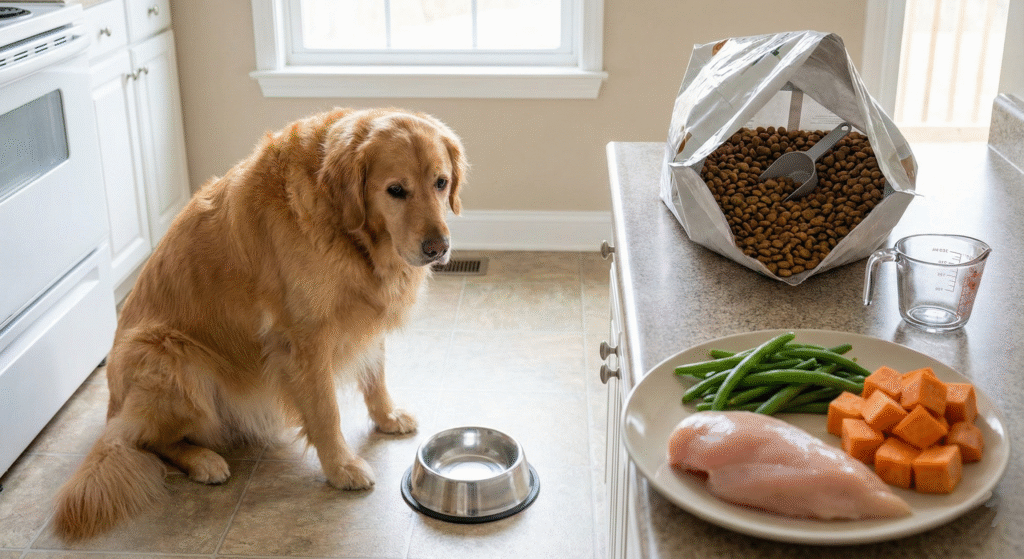
Fresh food companies (like The Famer’s Dog or Nom Nom) use a process closer to your Sunday dinner.
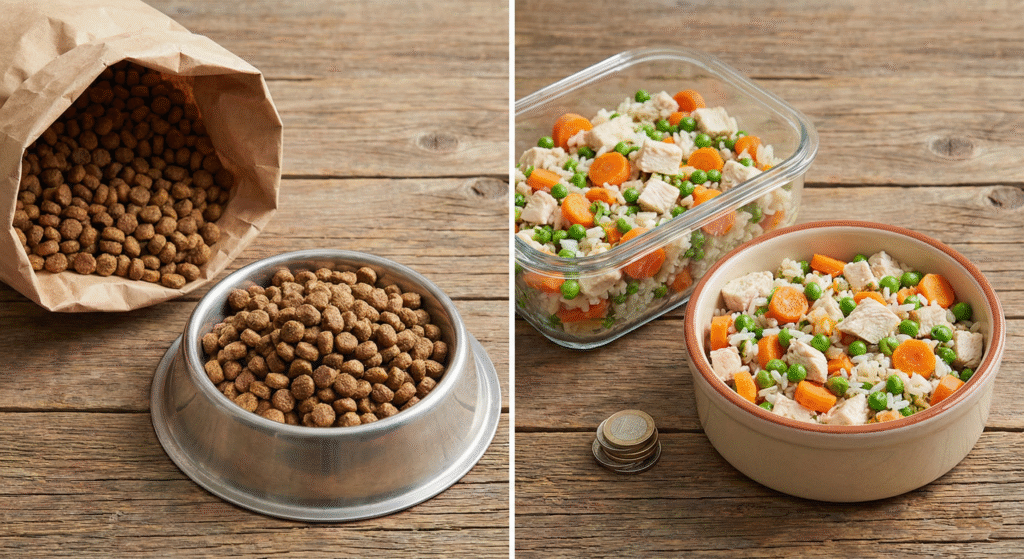
- Whole Ingredients: You can actually see the carrots, the peas, and the chunks of beef.
- Gentle Cooking: Food is cooked at lower temperatures (steaming or sous-vide) to kill pathogens while retaining natural nutrients.
- High Moisture: Fresh food is ~70% water. Kibble is 10% water. This keeps your dog hydrated, protecting their kidneys.
3 Health Changes You Will See (Usually in 30 Days)
1. The “Poop” Test
This is the first thing owners notice. Dogs on kibble produce large, smelly, frequent stools. Why? Because the body isn’t absorbing the fillers (corn/soy), so it passes them out as waste. Dogs on fresh food produce smaller, firmer, less smelly poop. Their body is actually utilizing the nutrients.
2. The “Puppy Coat” Returns
Dry kibble often relies on rancid fats. Fresh food contains natural animal fats and oils. Within weeks, dry, flaky skin often clears up, and the coat becomes noticeably softer and shinier.
3. The End of “Picky Eating”
If you have to bribe your dog to eat their kibble with cheese or gravy, they aren’t being stubborn—they are being smart. They know the food is stale. Fresh food smells like food. Most “picky” dogs clean their plates immediately when switched to fresh.
The Elephant in the Room: The Cost
There is no getting around it: Fresh food costs 2x to 3x more than premium kibble.
However, many owners view it as Preventative Medicine.
- Fewer allergy shots ($100/month).
- Lower risk of diabetes and obesity management.
- Potentially fewer dental cleanings.
Can’t Afford 100% Fresh? Try “The Topper Strategy”
You don’t have to go “all or nothing.” Replacing just 20% of your dog’s dry kibble with fresh food can significantly increase their intake of fresh enzymes and hydration without breaking the bank.
Here are some of our other articles that might interest you:
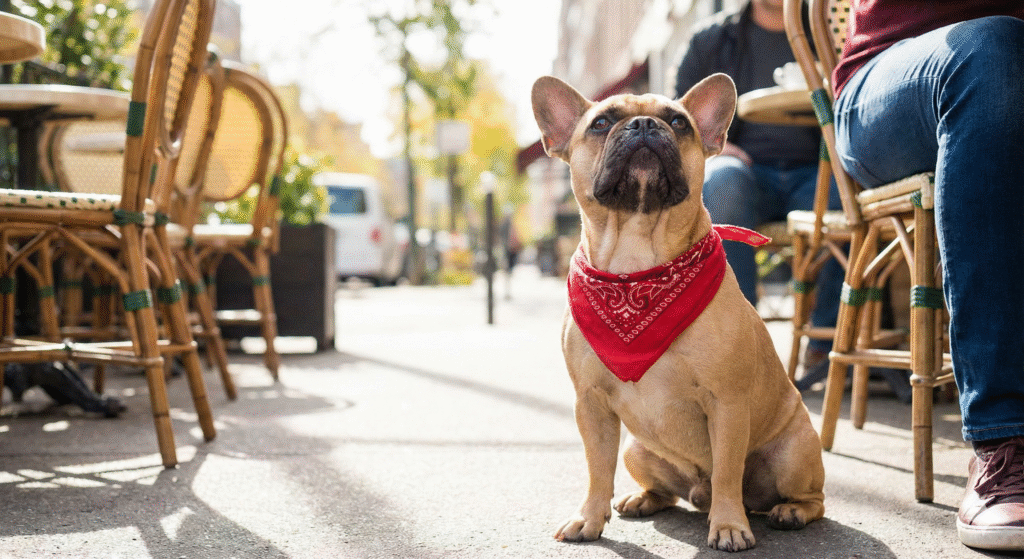
Best Dog Food for French Bulldogs: Fixing the Gas and the Itch
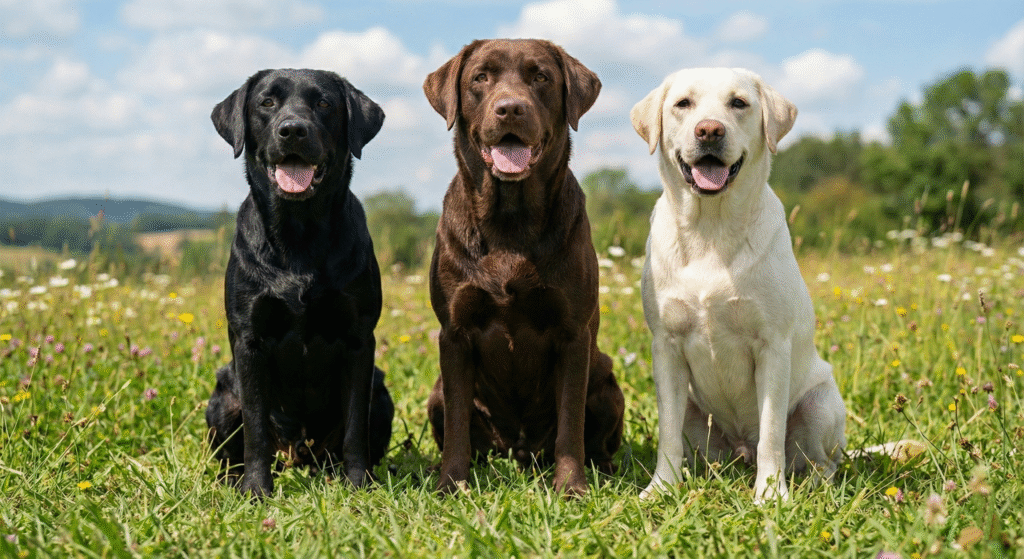
Best Dog Food for Labrador Retrievers: Managing Weight & Protecting Joints
Best Dog Food for Golden Retrievers: How to Feed for Longevity
Kibble vs. Fresh Food: Is the Price Tag Actually Worth It?
Why Is My Dog Constantly Itching? (Hint: It Might Be the Chicken)