Best Dog Food for French Bulldogs: Fixing the Gas and the Itch
Owning a French Bulldog is a unique experience. They are hilarious, affectionate, and full of personality. But let’s be honest: they are also high-maintenance.
Frenchies are notorious for three things: loud breathing, chronic skin allergies, and gas that can clear a room.
If your Frenchie is constantly scratching, licking their paws, or struggling with digestion, you are not alone. Because of their flat faces (brachycephalic) and compact bodies, their digestive tracts are extremely sensitive. They swallow a lot of air while eating, and if that air mixes with poor-quality ingredients, the result is extreme flatulence and discomfort.
At KibbleGrader, we find that French Bulldogs react poorly to standard commercial diets. The “Average Dog” food simply doesn’t work for them. They need highly digestible, low-fermentation fuel.
Here is how to choose a food that keeps your Frenchie happy, itch-free, and pleasant to be around.
The Frenchie “Red Flags”: Ingredients That Cause Chaos
When we grade food for French Bulldogs, we are stricter than with almost any other breed. Their systems simply cannot handle fillers. Here are the specific ingredients that tend to ruin a Frenchie’s day.
1. High-Fiber Legumes (Peas, Lentils, Chickpeas)
Many “Grain-Free” kibbles replace grains with peas or lentils. While this sounds healthy, legumes are notoriously hard to digest and ferment in the gut.
The Result: Fermentation creates gas. If your Frenchie is clearing the room after dinner, check the label for “Pea Protein” or “Lentils” in the top 5 ingredients. You want to avoid these to reduce the flatulence factor.
2. Common Allergens (Chicken & Beef)
French Bulldogs have some of the highest rates of food allergies. The most common triggers are actually the most common proteins: Chicken and Beef.
The Fix: If your dog has red, itchy paws or recurring ear infections, they may be reacting to the protein source. Look for “Novel Proteins” instead—meats they haven’t eaten before, like Duck, Rabbit, or Venison.
3. Kibble Shape and Hardness
This is a physical issue, not a chemical one. Because Frenchies have flat faces and underbites, they struggle to pick up and chew standard round kibble.
The Result: They often swallow kibble whole, which leads to regurgitation (vomiting immediately after eating) and choking hazards. They need either soft food or a specifically shaped kibble that is easy to grab.
Top 3 Diet Options for French Bulldogs (Ranked)
Our data suggests that texture and digestibility are the two most important factors for this breed.
1. The “Digestive cure”: Fresh Food (Best Overall)
Brands: The Farmer’s Dog, Nom Nom
Fresh food is the ultimate solution for Frenchies for two reasons:
- Texture: It is soft and easy to eat, meaning they don’t gulp air trying to chew it.
- Digestibility: Because it is gently cooked human-grade meat, the body absorbs almost 100% of it.
The result is smaller, firmer poops and a massive reduction in gas. If you can afford it, this is the best way to manage their sensitive stomachs.
2. The “Allergy Fighter”: Limited Ingredient Diets (LID)
Brands: Zignature, Natural Balance L.I.D.
If your Frenchie is itching, simplicity is key. Limited Ingredient Diets remove all the noise. They usually contain:
- One Protein: (e.g., just Kangaroo or just Salmon).
- One Carb: (e.g., Sweet Potato).
This eliminates the “mystery triggers.” By feeding a single protein source that your dog has never had before, you can often stop the immune system from overreacting.
3. The “Breed Specific” Science (Best Kibble)
Brands: Royal Canin French Bulldog
While we typically critique big brands for their ingredient lists, Royal Canin deserves credit for their engineering here. Their French Bulldog formula uses cashew-shaped kibble designed specifically for a Frenchie’s underbite. It forces them to chew, which slows them down and reduces swallowed air. If you must feed dry food, this specific shape can help with regurgitation issues.
FAQs: “Why is my Frenchie so gassy?”
Q: Why does my Frenchie throw up foam? A: This is often “bilious vomiting syndrome” or simple acid reflux, common in flat-faced breeds. It usually happens when the stomach is empty for too long. Try feeding them smaller, more frequent meals (3-4 times a day) instead of one big dinner.
Q: Should I use a raised bowl? A: Yes. Because of their anatomy, eating from a bowl on the floor forces them to strain their neck and swallow air. A slightly raised bowl (at chest height) allows food to travel down the esophagus more easily.
Q: Is Grain-Free bad for Frenchies? A: It is complicated. The FDA is investigating a link between legume-heavy grain-free diets and heart issues (DCM). Since Frenchies are not athletic dogs to begin with, we recommend being cautious. If you go grain-free, ensure the food doesn’t rely heavily on peas and lentils.
The Final Verdict: Comfort Over Cost
Owning a French Bulldog is an investment, and that includes their diet. Because their anatomy works against them, they need high-quality fuel to function comfortably.
Cheap kibble filled with corn and soy will almost guarantee a life of vet visits for allergies and a home that smells like a gas station.
If you see your Frenchie struggling to eat or scratching their ears, check the label immediately.
Is your food causing your Frenchie’s gas? Use our Free Kibble Grader Tool to scan your dog food label to detect “Legumes” and “Common Allergens” that might be upsetting your Frenchie’s stomach.
Here are some of our other articles that might interest you:
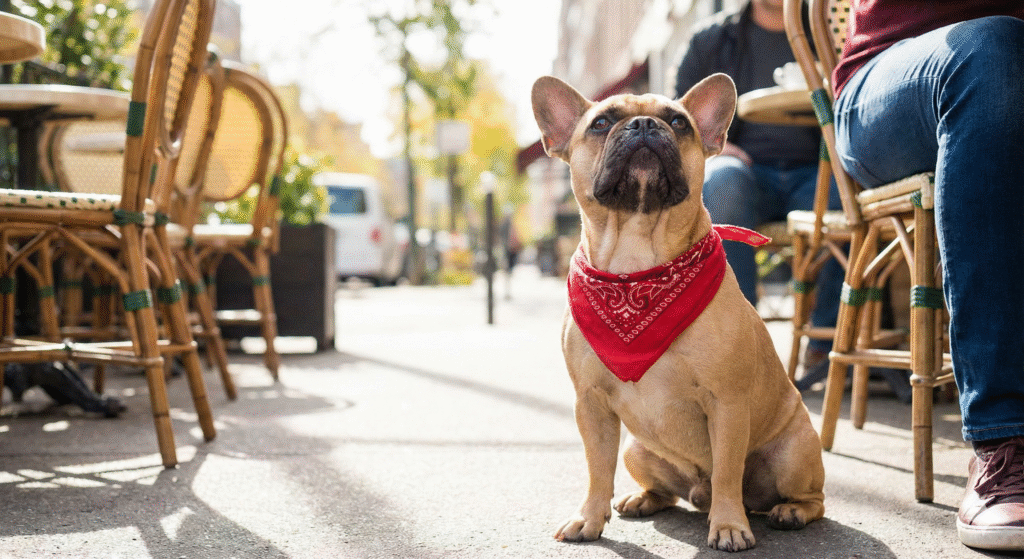
Best Dog Food for French Bulldogs: Fixing the Gas and the Itch

Best Dog Food for Labrador Retrievers: Managing Weight & Protecting Joints
Best Dog Food for Golden Retrievers: How to Feed for Longevity
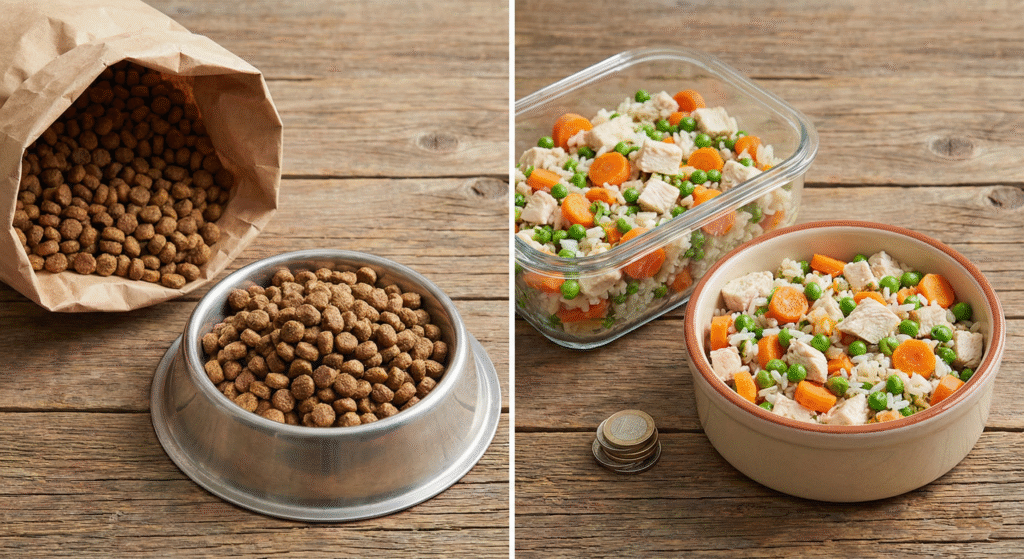
Kibble vs. Fresh Food: Is the Price Tag Actually Worth It?
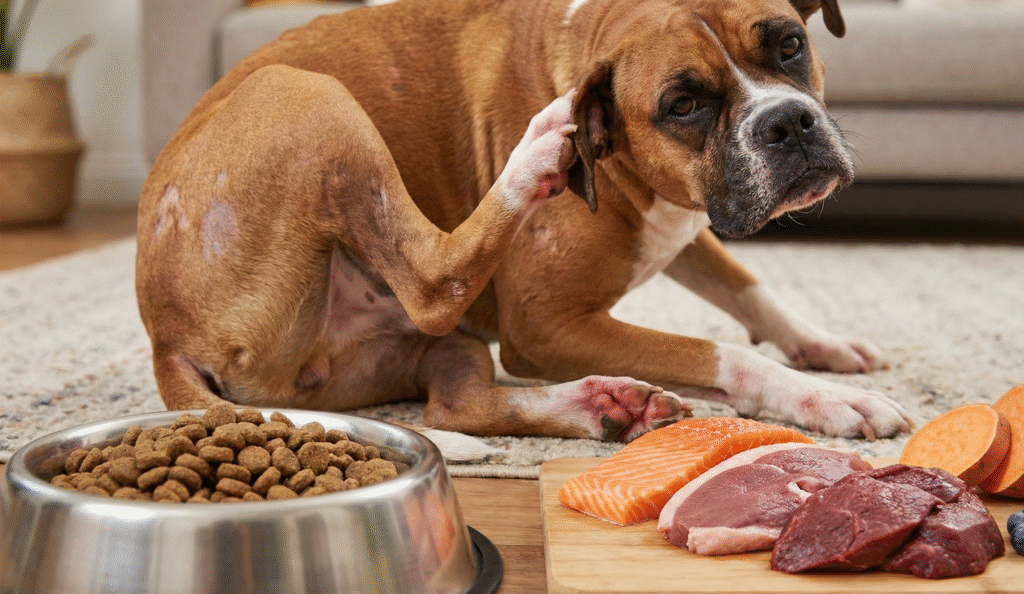
Why Is My Dog Constantly Itching? (Hint: It Might Be the Chicken)